Mechanical seals are intended for applications in which a rotating shaft and its housing are under a state of stress, including a combination of high pressure, temperature, and speed. Read More…
We manufacturer high quality hydraulic seals that are ideal for a wide range of industries. Here at Global O-Ring and Seal, LLC we are a trustworthy manufacturer who is known for our ability to adhere to all of your special requests. These seals come in a number of different materials including Buna, Viton, Silicone, Teflon, Aflas and more. Please give us a call today to learn more!

Kent Rubber Supply has been a trusted supplier of hydraulic seals since 1946. Focusing in exceeding customer service, we leverage the best equipment and the most knowledge staff to ensure we meet our customers unique needs. With our trusted experts, we determine the best rubber, foam, sponge or PVC material for your specific need. We continue serving customers both offshore and domestic.

At American Rubber Corporation, we specialize in designing and manufacturing high-performance hydraulic seals that deliver reliability and precision in demanding industrial applications. We take pride in engineering seals that maintain fluid integrity under extreme pressure, temperature, and motion, ensuring optimal performance and extended service life for hydraulic systems.

Our list of inventory has grown since our founding over 20 years ago. We started small, but now offer an extensive product list of hydraulic seals, o rings, and other rubber products.



More Mechanical Seal Manufacturers
Mechanical Seals: Types, Applications, and Comprehensive Guide
Mechanical seals are critical components used across a wide range of industrial, commercial, and even residential equipment to prevent the unwanted release of pressure, lubricants, coolants, hydraulic fluids, and other essential substances. By creating a tight barrier, mechanical seals also prevent the ingress of contaminants such as dirt, dust, and moisture, helping to protect the integrity and efficiency of vital systems. These versatile sealing solutions are integral to the operation of pumps, compressors, agitators, mixers, blowers, valves, actuators, and many other types of machinery found in industries like manufacturing, oil and gas, water treatment, pharmaceuticals, food processing, energy production, and more.
Are you looking to select the right mechanical seal for your equipment? Or perhaps you want to understand the differences between various types of seals and their applications? This comprehensive guide will answer your questions and help you make informed decisions when it comes to mechanical seal selection, maintenance, and sourcing.
What Are Mechanical Seals?
A mechanical seal is a device designed to join systems or mechanisms together by preventing leakage, containing pressure, and excluding contamination. Unlike simple static gaskets or O-rings, mechanical seals are often used in dynamic equipment where parts move relative to each other, such as rotating shafts in centrifugal pumps or mixers. The main function of a mechanical seal is to form a barrier between a stationary housing and a rotating shaft, preventing process fluids from escaping while blocking external contaminants from entering.
Common types of mechanical seals include:
- Cartridge seals
- Component seals
- Lip seals
- Hydraulic seals (such as piston seals, rod seals, and wiper seals)
- Pump shaft seals
- Gas seals
- Diaphragm seals
- Flange gaskets
Why Are Mechanical Seals Important?
The role of mechanical seals extends far beyond just leak prevention. Their proper selection and installation are vital for:
- Maintaining system pressure in hydraulic, pneumatic, or fluid process applications
- Enhancing equipment safety by preventing fluid leaks that could cause hazardous situations
- Preventing contamination of process fluids by outside media (dust, water, microorganisms, etc.)
- Reducing energy loss by maintaining optimal system efficiency
- Extending machinery lifespan by protecting bearings and internal components from wear and corrosion
- Minimizing maintenance costs through reliable operation and less unscheduled downtime
In sectors like food and beverage, pharmaceuticals, and chemical processing, seal integrity is especially critical to ensure product purity and comply with strict regulatory requirements.
Types of Mechanical Seals and Their Applications
Mechanical seals are not one-size-fits-all solutions. Each seal type is engineered for specific applications, performance requirements, and environmental conditions. Understanding the differences between common types of seals can help you choose the best solution for your needs.
1. Cartridge Seals
Cartridge seals are pre-assembled, self-contained units that simplify installation and reduce the possibility of assembly errors. These seals are widely used in centrifugal pumps, mixers, and other rotating equipment. They are ideal for demanding applications that require easy maintenance and high reliability.
2. Component Seals
Component seals are made up of individual parts (e.g., rotary face, stationary face, spring, O-rings) that are assembled during installation. They offer greater flexibility for customization and are often chosen for specialized applications where standard cartridge seals do not fit.
3. Lip Seals
Lip seals, also known as oil seals, are used to retain lubricants and exclude contaminants. They are commonly found in automotive, industrial machinery, and agricultural equipment, protecting rotating shafts and bearings.
4. Hydraulic Seals
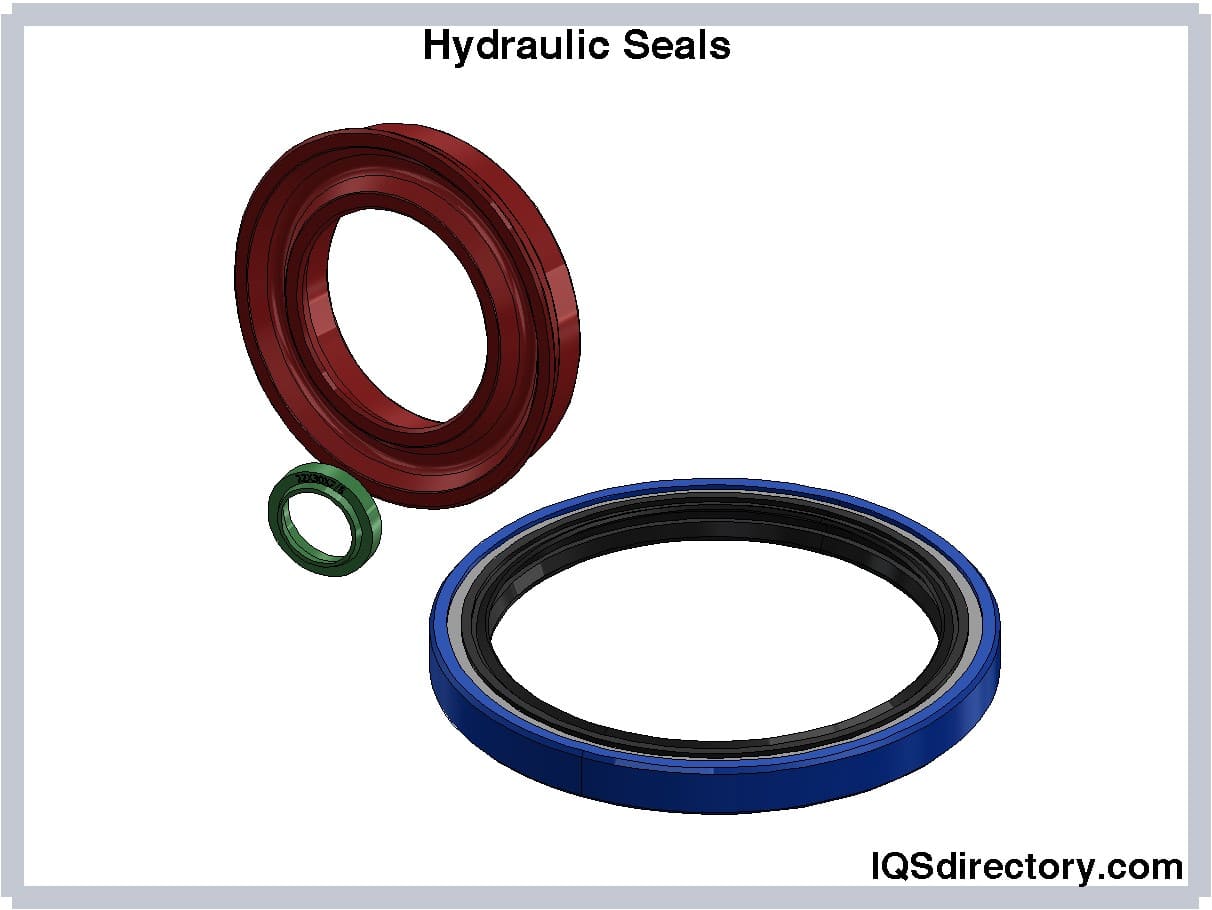
Hydraulic seals, including piston seals, rod seals, and wiper seals, are used in hydraulic cylinders and actuators. These seals prevent fluid from leaking past the piston or rod, maintaining pressure within hydraulic systems. Learn more about hydraulic seals and their manufacturers.
5. Pump Shaft Seals
Pump shaft seals are specifically designed for sealing rotating shafts in pumps, compressors, and similar equipment. They provide leak-free operation under varying pressures and temperatures, supporting efficient pump performance.
6. Gas Seals
Gas seals are specialized mechanical seals used in gas compressors, turbo machinery, and high-speed applications. They rely on non-contacting or dry-running technology to minimize friction and wear, making them suitable for high-speed, high-temperature environments.
7. Diaphragm Seals
Diaphragm seals, or membrane seals, are used to isolate process fluids from pressure-sensing instruments. These seals are vital in chemical processing, pharmaceuticals, and food industries where contamination or corrosion resistance is crucial.
8. Flange Gaskets
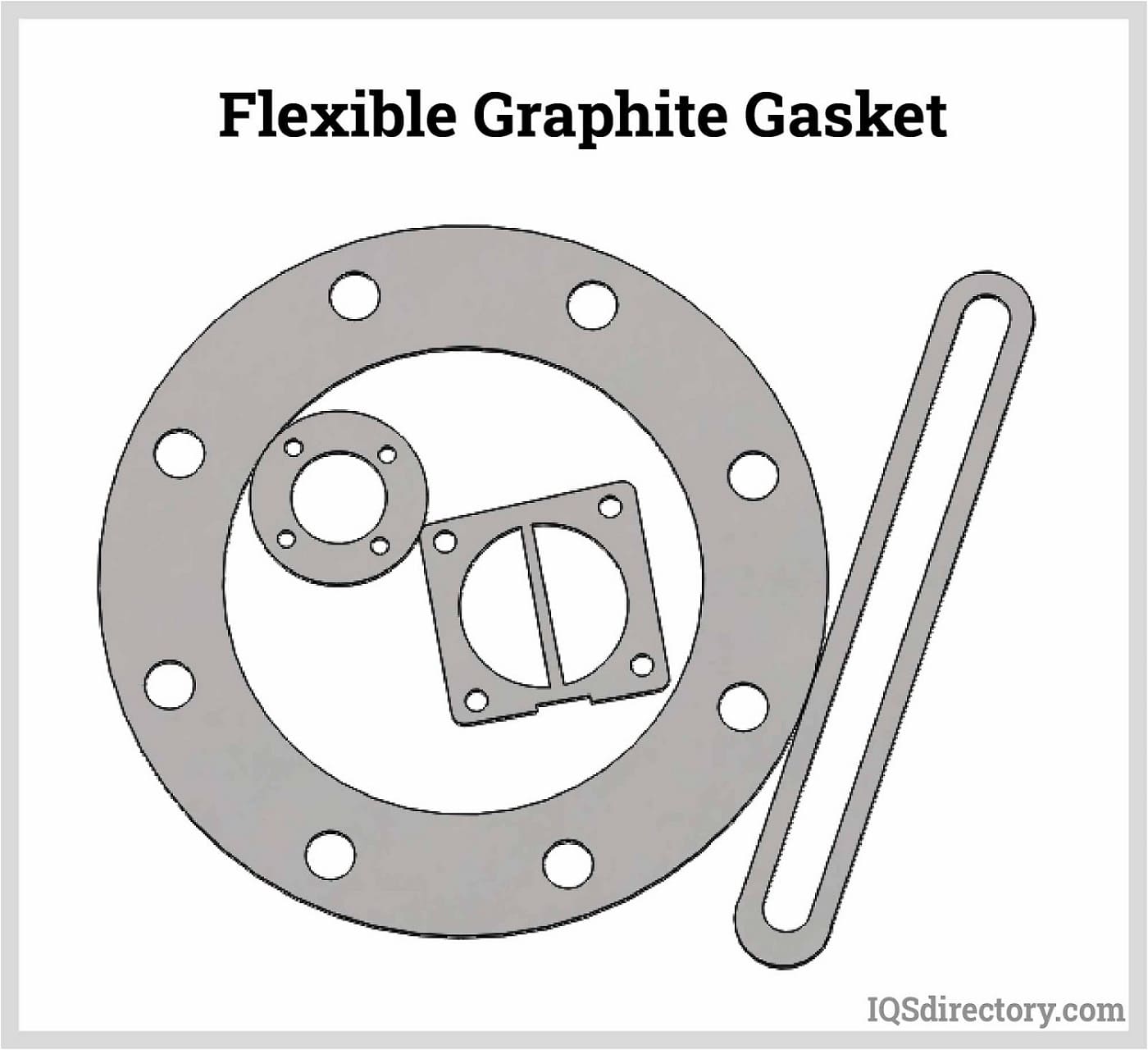
Flange gaskets are static seals that create a pressure-tight barrier between stationary flanges. They are essential in piping systems, chemical plants, and oil refineries to prevent fluid or gas leaks at pipe joints.
How Do I Choose the Right Mechanical Seal?
Choosing the right mechanical seal requires careful consideration of several factors, including:
- Process fluid type: Is it corrosive, abrasive, or contains solids?
- Operating temperature and pressure: What are the system's temperature and pressure ranges?
- Shaft speed: How fast is the shaft rotating?
- Equipment type: Pump, mixer, compressor, reactor, or other?
- Material compatibility: Are the seal materials resistant to process chemicals and temperatures?
- Regulatory or industry standards: Are there specific hygiene or safety requirements (e.g., FDA, USP, API, ISO)?
- Installation and maintenance access: Is quick replacement or minimal downtime needed?
For example, Teflon (PTFE) seals are commonly selected for hydraulic cylinder applications because of their exceptional resistance to aggressive chemicals and high temperatures. Conversely, natural rubber seals may degrade in such environments, making them suitable primarily for water or air applications at moderate temperatures.
Still unsure which seal is best for your application? Ask an expert or consult a reputable mechanical seal manufacturer for guidance.
Materials Used in Mechanical Seals
The performance and longevity of a mechanical seal depend heavily on the materials used in its construction. Common seal materials include:
- Carbon: Often used for seal faces, offering excellent wear resistance and self-lubrication.
- Ceramic: Provides hardness and chemical resistance, suitable for abrasive or corrosive fluids.
- Silicon Carbide: Extremely hard and durable, ideal for high-speed or high-pressure applications.
- Tungsten Carbide: Similar to silicon carbide but offers different chemical compatibility.
- PTFE (Teflon): Exceptional chemical resistance, low friction, and broad temperature tolerance.
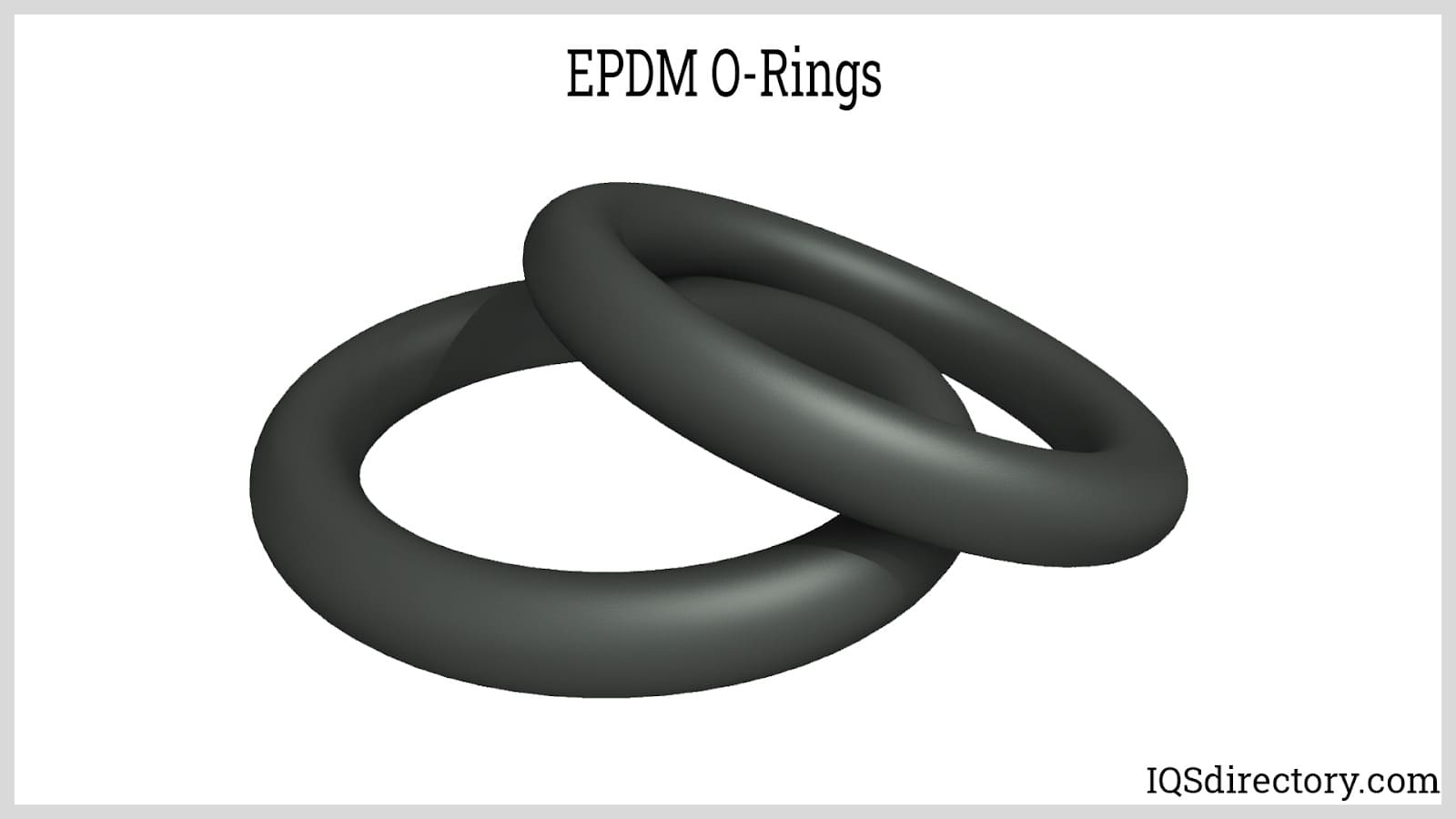
- Elastomers (Nitrile, Viton, EPDM, etc.): Used for secondary sealing elements (O-rings, gaskets) based on compatibility.
- Natural Rubber: Suitable for low-temperature, non-aggressive fluids but less resistant to many chemicals.
Choosing the right material is critical for maximizing seal lifespan, reliability, and safety. Consider not only the process fluid, but also cleaning agents, possible contaminants, and expected operating conditions.
Common Applications of Mechanical Seals
Mechanical seals play a pivotal role in a variety of industries:
- Oil and gas: Sealing pumps and compressors in refineries and pipelines
- Chemical processing: Handling aggressive or hazardous fluids in reactors and mixers
- Water and wastewater treatment: Maintaining leak-free performance in pumps, aerators, and valves
- Pharmaceuticals: Ensuring contamination-free production in processing equipment
- Food and beverage: Complying with hygienic standards in mixers, bottling lines, and conveyors
- Power generation: Sealing turbines, pumps, and cooling systems
- Automotive and transportation: Used in engines, transmissions, and hydraulic systems
Looking for industry-specific sealing solutions? Browse our guides or request a quote from top mechanical seal manufacturers.
Mechanical Seal Installation, Maintenance, and Troubleshooting
Proper installation and ongoing maintenance are crucial to ensure reliable seal performance and avoid costly failures. Here are some best practices:
- Always follow manufacturer guidelines for installation and torque specifications
- Check seal faces and mating surfaces for cleanliness and flatness
- Lubricate O-rings and elastomeric components as recommended
- Ensure proper shaft alignment and minimize vibration
- Monitor for temperature, pressure, and vibration changes that may indicate seal wear
- Schedule routine inspections and replace seals at the first sign of damage or leakage
Some common mechanical seal failure modes include:
- Dry running (operating without sufficient lubrication)
- Incorrect installation or misalignment
- Chemical attack or material incompatibility
- Thermal shock or rapid temperature changes
- Contaminant ingress leading to abrasion or clogging
Experiencing issues with your current mechanical seals? Contact a sealing expert or explore our troubleshooting resources for in-depth solutions.
Buyer’s Guide: How to Source Mechanical Seals
When researching or purchasing mechanical seals, consider the following decision factors to ensure you select the most suitable product:
- Seal Type: Do you need a single, double, cartridge, or component seal?
- Material Compatibility: Will the seal materials withstand all process fluids and cleaning agents?
- Operating Conditions: What are the minimum and maximum temperatures, pressures, and shaft speeds?
- Industry Standards: Does your application require FDA, USP, ATEX, or API compliance?
- Maintenance Requirements: Do you need a seal that allows for quick replacement or minimal downtime?
- Availability and Lead Time: How quickly can you source replacement parts?
- Supplier Reputation: Are you working with an experienced, reputable mechanical seal manufacturer or distributor?
When evaluating suppliers, ask:
- Do you offer technical support for seal selection and troubleshooting?
- Can you provide documentation and traceability for regulatory compliance?
- Are custom or OEM seal designs available for specialized equipment?
- What warranty and after-sales support do you provide?
For more guidance, explore our mechanical seal supplier directory or submit your project requirements for personalized recommendations.
Frequently Asked Questions About Mechanical Seals
- What are the main types of mechanical seals?
The primary types include cartridge seals, component seals, lip seals, pump shaft seals, gas seals, diaphragm seals, flange gaskets, and a variety of hydraulic seals such as piston and rod seals. - How do I know which mechanical seal is right for my application?
Consider your process fluid, temperature, pressure, shaft speed, and regulatory requirements. Consult with a mechanical seal expert if in doubt. - How long do mechanical seals last?
Seal lifespan depends on material choice, operating conditions, and maintenance. Properly selected and maintained seals can last several years or more. - Can mechanical seals be repaired?
Some seals can be refurbished, but it is often more cost-effective and reliable to replace worn or damaged seals with new components. - What are the signs of mechanical seal failure?
Look for leaks, increased vibration or noise, elevated temperatures, or visible seal wear and damage. - Where can I buy high-quality mechanical seals?
Use our mechanical seal supplier directory to find reputable manufacturers and distributors.
Get Expert Help and Request a Quote
Whether you need a standard replacement seal, a custom-engineered sealing solution, or technical advice on improving seal performance, our network of industry specialists can help. Request a quote today or contact us with your application details. We provide rapid response, competitive pricing, and expert guidance to ensure you get the best mechanical seal solution for your needs.
Ready to take the next step? Find the right mechanical seal for your application—browse our directory or submit your specifications now to connect with leading suppliers.
 Hydraulic Cylinders
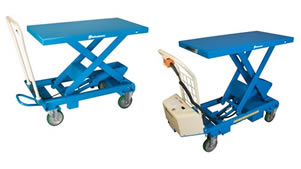 Hydraulic Lifts
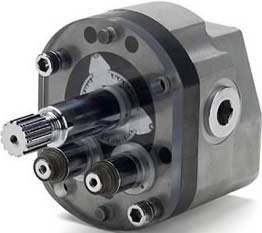 Hydraulic Motors
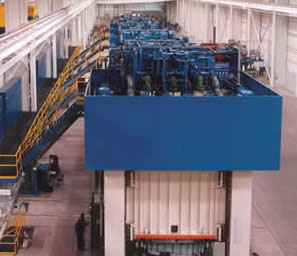 Hydraulic Presses
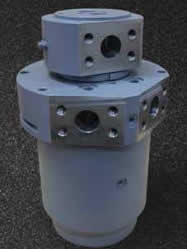 Hydraulic Pumps
 Hydraulic Seals
 Hydraulic Valves
 Castings & Forgings
 Bulk Material Handling
 Electrical & Electronic Components
 Flow Instrumentation
 Hardware
 Material Handling Equipment
 Metal Cutting Services
 Metal Forming Services
 Metal Suppliers
 Motion Control Products
 Plant & Facility Equipment
 Plant & Facility Supplies
 Plastic Molding Processes
 Pumps & Valves
 Recycling Equipment
 Rubber Products & Services