Rubber seals are specially-shaped rubber tools that are used to contain the contents of a container or enclosure or to prevent the contamination of that enclosure. In the context of hydraulic seals, rubber seals are used as hydraulic cylinder seals; they prevent the leakage of hydraulic fluid from cylinders, and they prevent the contamination of those cylinders by dirt and other hazards. Also, in order to prevent wear from friction, hydraulic machines have a gap between the rotating shaft and the housing. Read More…
We manufacturer high quality hydraulic seals that are ideal for a wide range of industries. Here at Global O-Ring and Seal, LLC we are a trustworthy manufacturer who is known for our ability to adhere to all of your special requests. These seals come in a number of different materials including Buna, Viton, Silicone, Teflon, Aflas and more. Please give us a call today to learn more!

Kent Rubber Supply has been a trusted supplier of hydraulic seals since 1946. Focusing in exceeding customer service, we leverage the best equipment and the most knowledge staff to ensure we meet our customers unique needs. With our trusted experts, we determine the best rubber, foam, sponge or PVC material for your specific need. We continue serving customers both offshore and domestic.

At American Rubber Corporation, we specialize in designing and manufacturing high-performance hydraulic seals that deliver reliability and precision in demanding industrial applications. We take pride in engineering seals that maintain fluid integrity under extreme pressure, temperature, and motion, ensuring optimal performance and extended service life for hydraulic systems.

Our list of inventory has grown since our founding over 20 years ago. We started small, but now offer an extensive product list of hydraulic seals, o rings, and other rubber products.



More Rubber Seal Manufacturers
Comprehensive Guide to Rubber Seals: Types, Applications, and Selection
Rubber seals are essential components used in a wide range of hydraulic, pneumatic, industrial, automotive, and consumer applications. Their primary function is to prevent leakage of fluids—such as hydraulic oil, water, air, or gas—by filling the gaps between static or moving parts. This ensures reliable system performance and protects machinery from contamination, wear, and failure. The importance of rubber hydraulic cylinder seals cannot be overstated, as they play a critical role in sealing mechanisms across numerous industries.
What Are Rubber Seals and How Do They Work?
Rubber seals, also known as elastomeric seals or O-rings, are mechanical gaskets made from flexible rubber materials. They are designed to fit tightly between two components, creating a barrier that prevents the passage of liquids or gases. The elasticity of rubber allows seals to conform to irregular surfaces and maintain contact even under variable pressure or temperature conditions. This makes rubber seals highly effective for both static (non-moving) and dynamic (moving) applications.
Are you searching for high-quality rubber seals for hydraulic cylinders, pumps, valves, or other equipment? Understanding how these seals function—and how to choose the right one for your application—can greatly improve operational efficiency and system longevity.
Types of Rubber Seals: Oil Seals, Lip Seals, and More
There is a diverse range of rubber seals available, each engineered for specific sealing requirements and operating environments. Below are some of the most common types used in industrial and commercial applications:
- Oil Seals: Also known as rotary shaft seals or radial shaft seals, oil seals are designed to keep lubricants in and contaminants out. They are widely used in hydraulic cylinders, automotive engines, gearboxes, and pumps. Oil seals can be fitted with a single or double lip. Double lip oil rings provide enhanced protection against corrosion and ingress of dust, dirt, or other abrasive particles. Some oil seals are spring-loaded, which ensures constant pressure between the seal lip and the shaft, improving sealing performance and durability.
- Lip Seals: Lip seals, also called shaft seals or wiper seals, are versatile, high-performance seals used in both rotary and reciprocating applications. They are ideal for uniform, low-pressure hydraulic and pneumatic systems, where they help retain fluid and exclude contaminants.
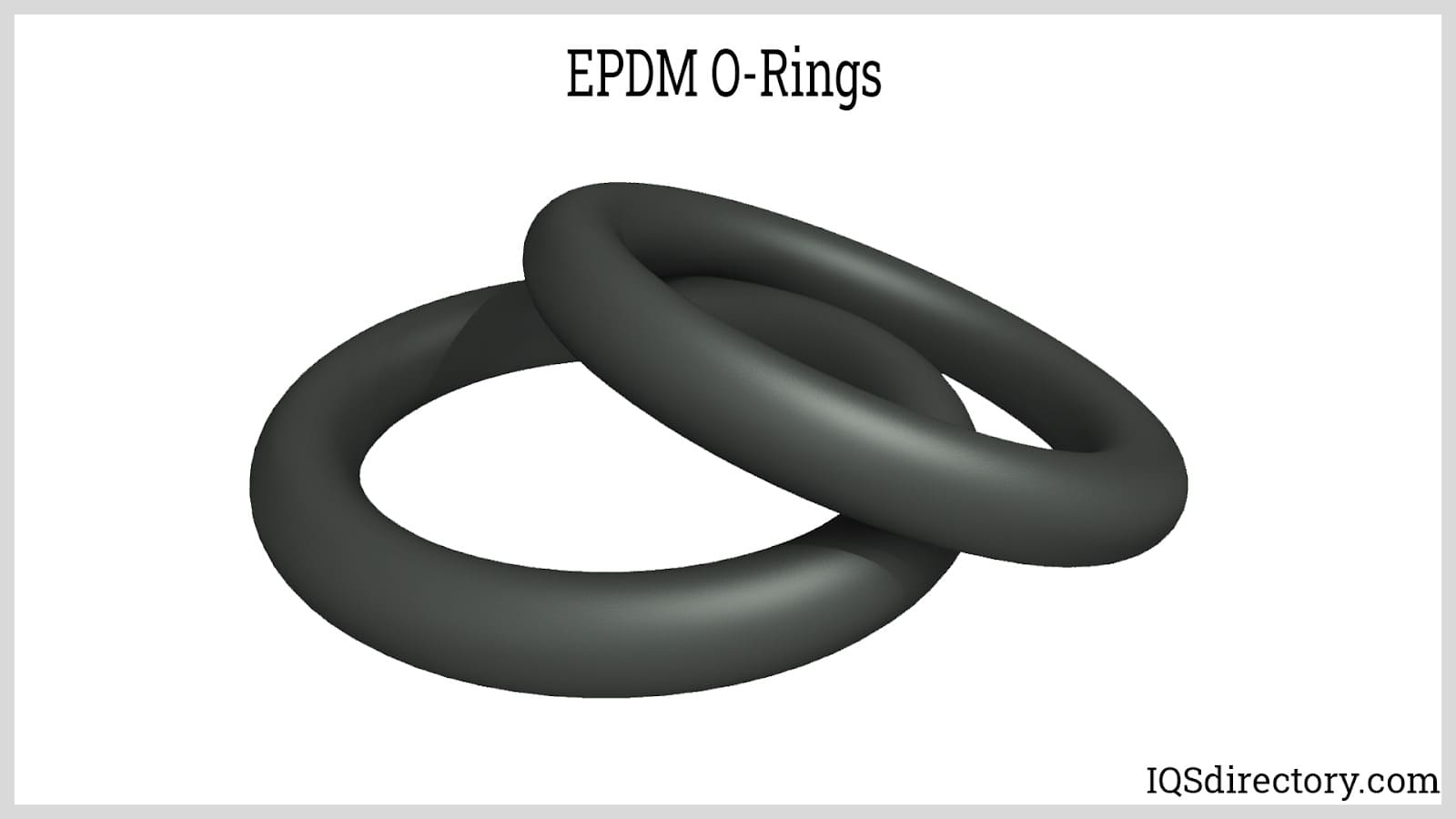
- O-Rings: O-rings are circular elastomeric rings used to block the passage of liquids or gases. They are among the most common sealing solutions, valued for their simplicity, effectiveness, and cost-efficiency. O-rings are used in hydraulic cylinders, plumbing systems, food processing equipment, and more.
- Mechanical Seals: These are engineered for demanding environments where a rotating shaft and its housing must withstand high pressure, temperature, and speed. Mechanical seals are often found in pumps, compressors, and mixers across the chemical, oil and gas, and manufacturing sectors.
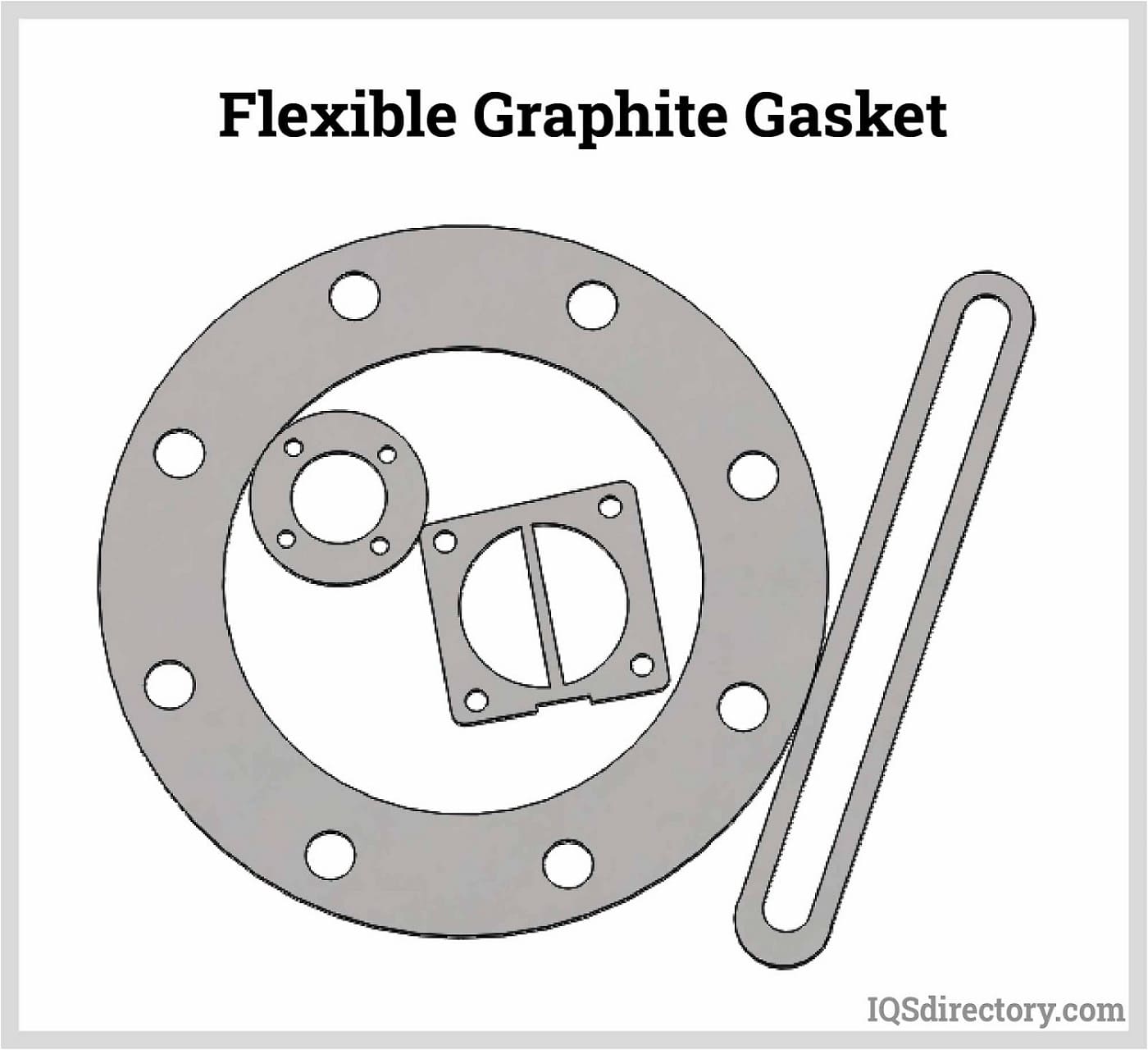
- Gaskets: While not always classified as seals, rubber gaskets perform similar functions by filling the space between mating surfaces to prevent fluid or gas leakage.
- Custom Rubber Seals: For unique or challenging applications, manufacturers can design custom rubber seals tailored to specific shapes, sizes, and operating conditions.
Rubber Seal Materials: Choosing the Right Elastomer
When selecting rubber seals, understanding the properties of different elastomer materials is crucial. The choice of material affects the seal’s resistance to temperature, chemicals, pressure, and wear. Here are some common rubber materials used for seals:
- Nitrile Rubber (NBR): Known for excellent oil and fuel resistance, nitrile seals are popular in automotive and industrial hydraulic systems.
- Fluorocarbon (Viton®): Offers outstanding high-temperature and chemical resistance, making it ideal for aggressive environments such as chemical processing and high-performance engines.
- Silicone Rubber: Exhibits superior flexibility and temperature tolerance, suitable for medical, food-grade, and aerospace applications.
- EPDM Rubber: Provides excellent resistance to weather, ozone, and water, making EPDM seals a top choice for outdoor, HVAC, and plumbing systems.
- PTFE (Teflon®): Highly valued for its non-stick properties, corrosion resistance, and thermal stability. Teflon seals are frequently used where high heat, aggressive chemicals, or minimal friction are concerns.
- Neoprene: Balances oil resistance with good weatherability, often found in refrigeration, automotive, and industrial equipment.
Each material offers unique advantages and performance characteristics. Selecting the right elastomeric compound is vital for ensuring long-term sealing effectiveness and minimizing the risk of system failure.
Applications of Rubber Seals Across Industries
Rubber seals are integral to countless mechanical systems and devices. The following industries commonly rely on rubber seals to maintain operational integrity and prevent leaks:
- Industrial Machinery: Heavy equipment such as hydraulic presses, excavators, and manufacturing robots rely on robust rubber hydraulic seals for consistent performance and safety.
- Automotive & Transportation: Rubber oil seals, O-rings, and gaskets are used extensively in engines, transmissions, shock absorbers, brakes, and fuel systems to ensure reliability and prevent contamination.
- Aerospace: High-performance elastomeric seals are critical in aircraft hydraulic and fuel systems, landing gear, and environmental controls, withstanding extreme temperature and pressure fluctuations.
- Oil & Gas: Seals in drilling equipment, pumps, and valves must resist harsh chemicals, abrasive media, and high pressures.
- Food & Beverage: FDA-approved silicone and EPDM seals are used in pumps, valves, and processing equipment to maintain sanitary conditions and prevent contamination.
- Medical Devices: Biocompatible silicone and Teflon seals are found in diagnostic instruments, pumps, and surgical equipment, where cleanliness and reliability are paramount.
- Consumer Products: Everyday items like washing machines, dishwashers, garden hoses, and faucets use rubber seals to prevent leaks and improve longevity.
Benefits of Using Rubber Seals in Hydraulic and Industrial Systems
Why choose rubber seals over alternative sealing solutions? Consider the following advantages:
- Leak Prevention: Rubber seals provide a reliable barrier against fluid and gas leaks, helping maintain pressure and prevent costly downtime or contamination.
- Durability and Longevity: Most modern seals are made from resilient synthetic rubber compounds, offering excellent wear resistance and long service life even under harsh conditions.
- Chemical and Temperature Resistance: Specialized materials like Teflon and Viton withstand aggressive chemicals and extreme temperatures, ensuring safe operation in demanding environments.
- Flexibility and Adaptability: Rubber seals can be easily customized in terms of shape, size, and material properties to suit a wide variety of sealing challenges.
- Cost Efficiency: The availability and versatility of rubber compounds make these seals a cost-effective choice for many sealing applications.
- Easy Installation and Replacement: Rubber seals are typically straightforward to install, inspect, and replace, reducing maintenance costs and downtime.
How to Choose the Right Rubber Seal for Your Application
Selecting the correct rubber seal is crucial for ensuring optimal performance and preventing premature failure. Here are some key decision factors to consider:
- Operating Environment: Assess temperature extremes, chemical exposure, pressure levels, and dynamic (moving) or static (fixed) sealing needs.
- Material Compatibility: Ensure the rubber compound is compatible with the fluids, gases, or chemicals present in your system.
- Size and Fit: Accurate measurements are essential for proper sealing. Consult manufacturer sizing charts or request custom seals for unique applications.
- Performance Requirements: Consider load, friction, speed, and expected lifespan.
- Industry Standards: Look for seals that meet regulatory and industry-specific standards, such as FDA, NSF, or ISO certifications.
- Supplier Reputation: Choose reputable manufacturers or distributors who offer technical support, quality assurance, and a proven track record.
Not sure which rubber seal is right for your machinery or equipment? Ask an expert or contact a trusted rubber seal supplier for personalized recommendations.
Rubber Seal Design and Customization Options
While standard seals cover most general applications, custom-designed rubber seals are often required for unique challenges or when performance requirements exceed the capabilities of off-the-shelf products. Custom options may include:
- Specialized lip profiles for enhanced sealing under high pressure or vacuum environments
- Hybrid rubber-metal constructions for increased rigidity and durability
- Food-grade, medical-grade, or high-purity compounds for sensitive applications
- Color coding for easy identification and maintenance
- Integration of anti-friction coatings or wear indicators
Are you facing an unusual sealing challenge or need a tailored solution? Explore custom rubber seal design or request a quote for custom oil seals to ensure the perfect fit for your application.
Maintenance, Replacement, and Troubleshooting of Rubber Seals
Proper maintenance and timely replacement of rubber seals are essential to maximize system uptime and prevent leaks. Here’s how you can optimize seal performance:
- Regularly inspect seals for signs of wear, cracking, swelling, or hardening
- Replace seals proactively based on manufacturer recommendations or when performance drops
- Use compatible lubricants to minimize friction and extend seal life
- Store spare seals in a cool, dry place away from direct sunlight and chemicals to prevent degradation
- Ensure proper installation to avoid pinching, tearing, or misalignment
Experiencing unexpected leaks or seal failures? Learn how to troubleshoot hydraulic oil seal problems or get technical support from sealing specialists.
Frequently Asked Questions About Rubber Seals
- What is the difference between oil seals and O-rings?
Oil seals are typically used to seal rotary shafts and prevent lubricant leakage, while O-rings are used in static or slow-moving applications to block fluid or gas passage. - Can I use the same seal for all types of fluids?
Not all rubber materials are compatible with every fluid. Always verify material compatibility to avoid premature failure or chemical degradation. - How do I measure a rubber seal for replacement?
Measure the inner diameter, outer diameter, and cross-section (thickness) of the existing seal. For complex shapes, refer to technical drawings or consult your supplier. - How long do rubber hydraulic seals last?
Service life varies depending on material, operating conditions, and maintenance. High-quality synthetic rubber seals can last several years in well-maintained systems. - What causes seal failure?
Common causes include improper installation, incorrect material choice, excessive pressure or temperature, contaminated fluids, and inadequate lubrication.
Have more questions? Ask an expert for personalized advice.
Why Source Rubber Seals from Trusted Manufacturers?
Partnering with a reputable rubber seal manufacturer or distributor ensures you receive high-quality, reliable products backed by technical support and warranty protection. Leading suppliers offer:
- Extensive inventory of standard and custom seal solutions
- Material certifications and compliance with industry standards
- Expert engineering and design assistance
- Fast turnaround for urgent orders and replacements
- Competitive pricing and volume discounts
Ready to purchase rubber seals for your next project? Browse our selection of oil seals or order lip seals online for fast delivery and guaranteed quality.
Summary: Key Takeaways for Selecting Rubber Seals
- Rubber seals are critical for leak prevention, contamination control, and equipment reliability in hydraulic, industrial, automotive, and consumer applications.
- Choose the right seal type—oil seals, lip seals, O-rings, or custom designs—based on your system’s requirements.
- Material selection is essential; factors such as temperature, pressure, and chemical compatibility determine long-term performance.
- Regular inspection, maintenance, and timely replacement extend seal life and system uptime.
- Work with trusted manufacturers for expert guidance, quality assurance, and the best value.
Interested in learning more about advanced sealing solutions? Explore our in-depth guides on oil seal selection and lip seal applications to optimize your system’s performance.
For personalized support or to discuss your specific requirements, contact our team of rubber seal specialists today.
 Hydraulic Cylinders
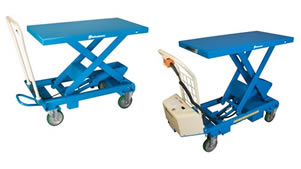 Hydraulic Lifts
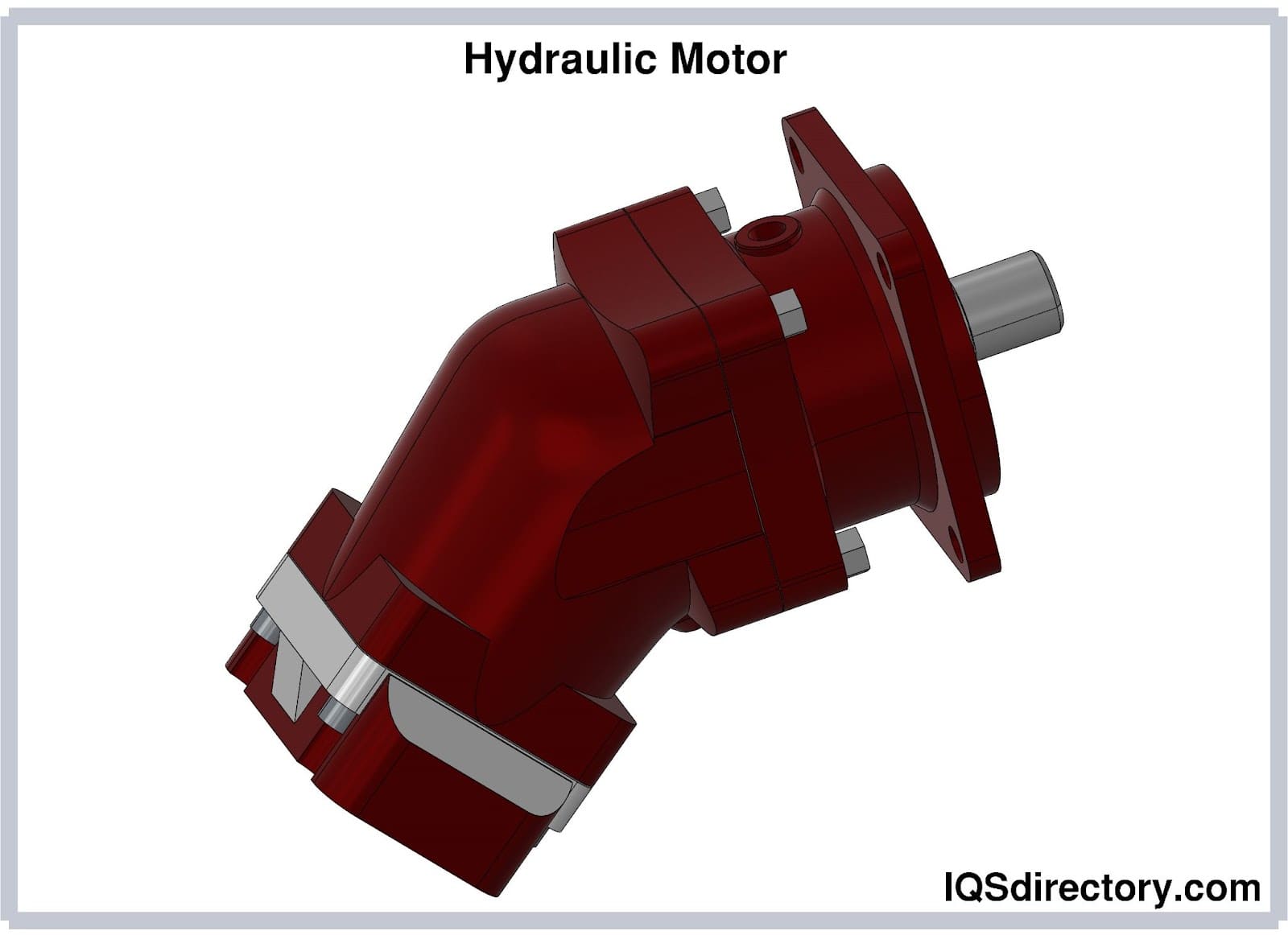
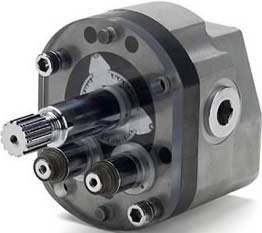 Hydraulic Motors
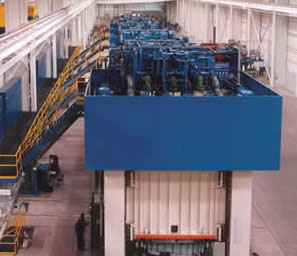 Hydraulic Presses
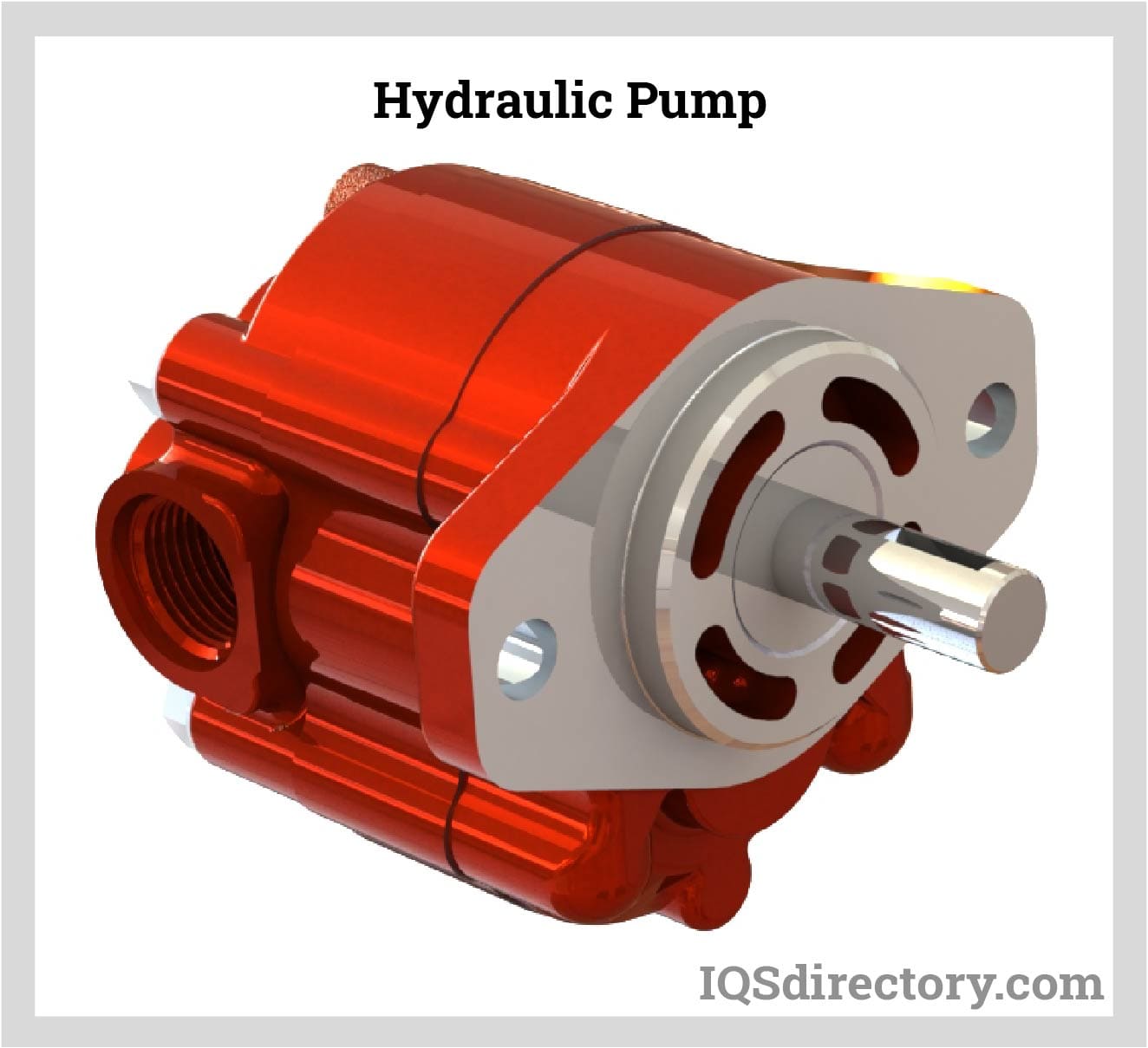
 Hydraulic Pumps
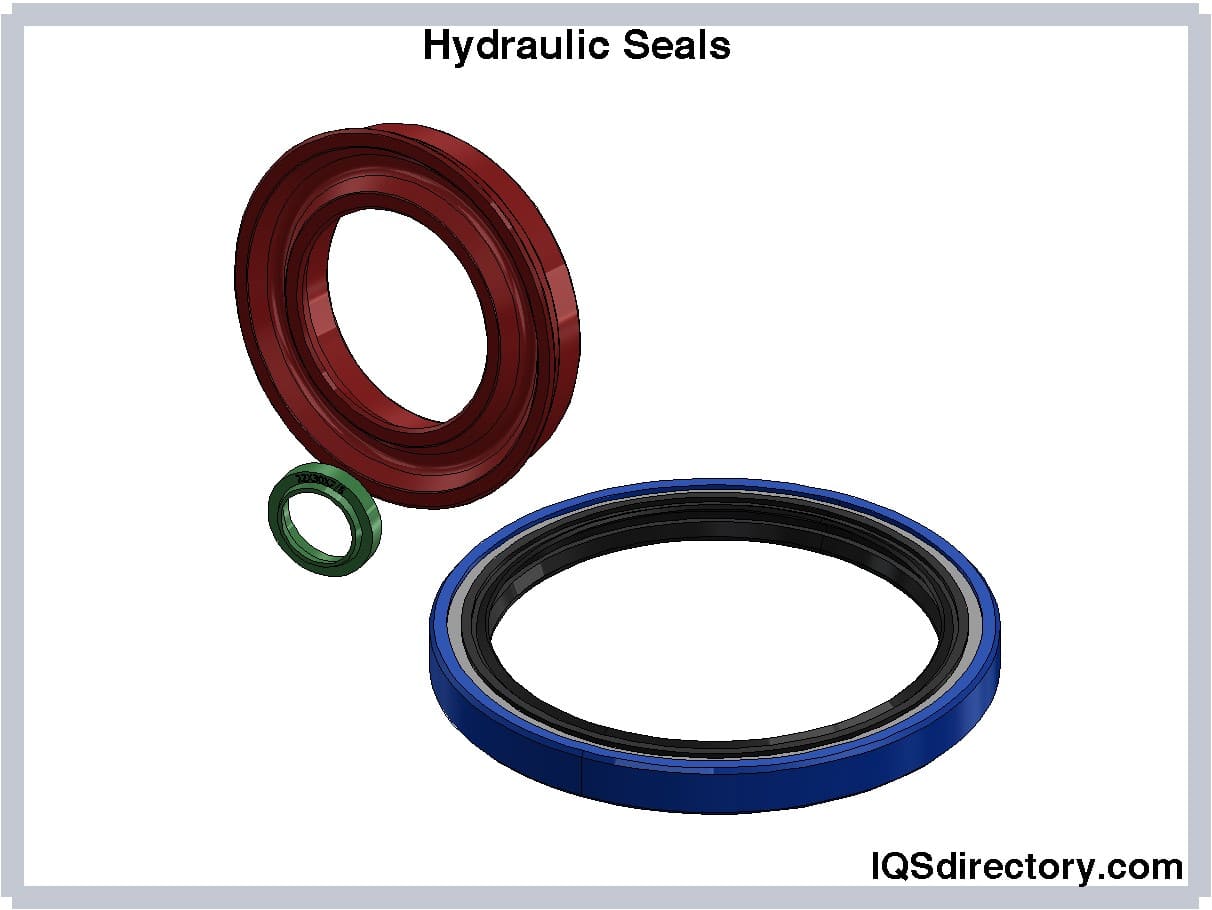
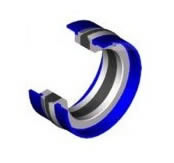 Hydraulic Seals
 Hydraulic Valves
 Castings & Forgings
 Bulk Material Handling
 Electrical & Electronic Components
 Flow Instrumentation
 Hardware
 Material Handling Equipment
 Metal Cutting Services
 Metal Forming Services
 Metal Suppliers
 Motion Control Products
 Plant & Facility Equipment
 Plant & Facility Supplies
 Plastic Molding Processes
 Pumps & Valves
 Recycling Equipment
 Rubber Products & Services